Focus groups
What is a pre-screener? A plain guide to study invitations
Pre-screeners decide who gets invited to focus groups, interviews and product tests. Here is how they work, and how you are rewarded either way.
Sometimes researchers want to see your daily habits instead of just asking about them. Mobile ethnography lets you use your smartphone to share short videos and photos of your everyday tasks over several days.
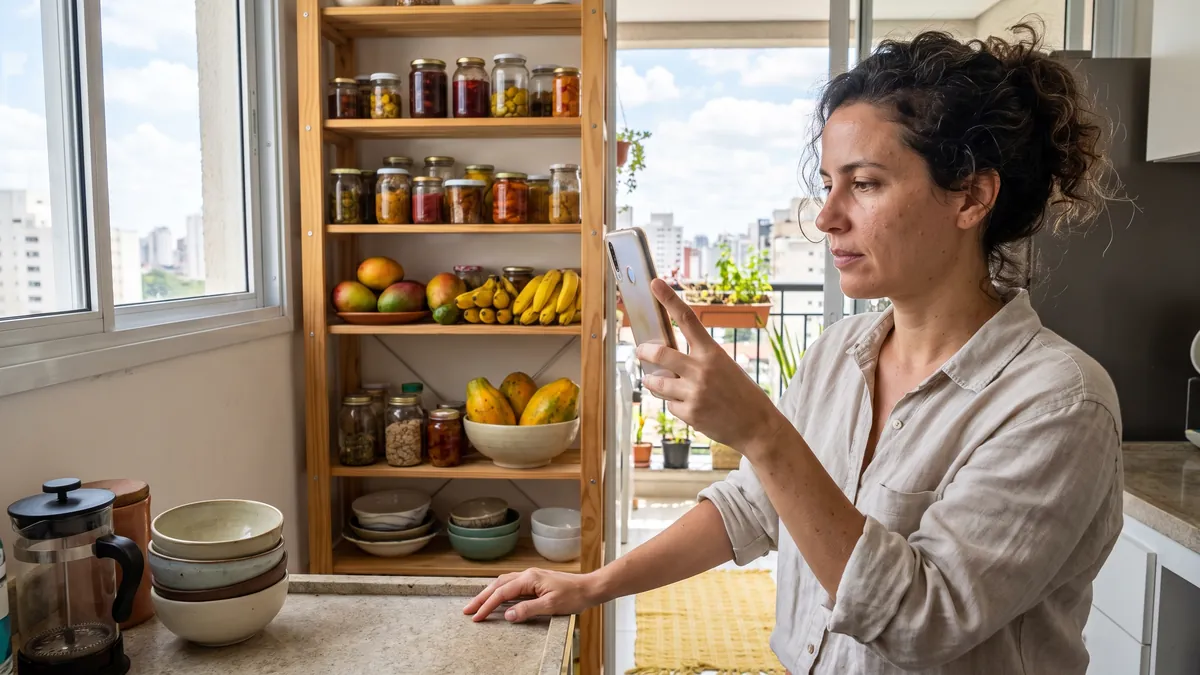
You might take online surveys to share your opinions. Sometimes, brands want to see how you actually do things in your daily life. They use a research method called a mobile ethnography study. Ethnography is a research term that means studying people in their natural environment.
Anthropology is the study of human societies and cultures. Scientists used to travel to distant places to observe how people lived. Now, market researchers use the same concept to see how you use everyday items like shampoo or banking apps.
Mobile technology makes this possible without sending a researcher to sit in your living room. Instead of bringing you into a lab, researchers ask you to use your smartphone to record yourself at home or on the go. In these studies, you act as a documentary filmmaker of your own life.
You might download a specific app or use a secure website to upload your content. The researchers will ask you to take short videos, snap photos, and answer questions. For example, they might ask you to record a two-minute video showing how you load your dishwasher.
Most mobile ethnography studies take place over a few days or even a couple of weeks. Instead of sitting down for a standard survey, you complete small tasks each day. Researchers often call this a diary study, because you check in regularly just like writing in a journal.
You will get a notification or an email telling you what task to complete next. Sometimes researchers will ask you to record a task in the moment. Other times, they give you a daily recap task where you type out a short summary of your day.
A typical study might ask you to track your breakfast routine for five days. On Monday, you might take a photo of your cereal box. On Wednesday, you might record a short voice note explaining why you skipped breakfast. On Friday, you might film yourself making a cup of coffee.
This mix of videos, photos, and text gives a detailed view of your daily life. Because the tasks are spread out, you can usually complete them whenever it fits your schedule. You just record your video or take your photo when you naturally do the activity.
You might wonder why a brand needs a video of you making breakfast. People often rely on memory when they answer online surveys. We might say we always measure our coffee carefully, but a video might show us just dumping the beans into the grinder. Watching the actual process helps researchers see how products are really used.
Seeing your environment also provides context that a typed answer cannot give. A video can show that your kitchen counters are crowded. If a company is designing a new coffee maker, seeing your crowded counter tells them they need to keep the machine compact. If you are curious about how your feedback gets used, our guide on What happens to your survey after you click submit explains the process.
Suppose a brand wants to create a new face wash. They might ask you to record your bedtime routine. You might struggle to open the face wash bottle with wet hands. The researchers notice this small detail in your video.
They use that observation to design a bottle with a pump instead of a twist cap. Your small, everyday frustration leads directly to a better product on the store shelves. You do not need to clean your house or pretend to be perfect, because the messy details are exactly what brands need to see.
Filming yourself for a research study is different from posting on social media. You do not need filters, special lighting, or perfect editing. Researchers just need to see and hear you clearly. Try to record in a room with enough light so the camera can capture what you are doing.
Think aloud while you film. When researchers ask you to think aloud, they want to hear your inner monologue. Say exactly what you are doing, why you are doing it, and how you feel about it in that exact moment.
If you are filming a specific object, hold your phone steady for a few seconds so the image is not blurry. When you record a video, speak at a normal volume and explain what you are thinking. If you are struggling to open a package, tell the camera exactly what is frustrating you. Good researchers value your honest reactions.
Here are a few ways to make your mobile ethnography uploads better:
Privacy is a common concern when you start pointing a camera around your home. You are always in control of what you record and upload. Before you start a study, the researchers will explain what they need to see and how they will use the video. If you want to know more about these agreements, read about Recording, consent and NDAs: what you agree to in a research study.
When you film, be careful not to include other people in your video unless the study specifically asks for it. If a family member or a roommate walks into the room, you might need to pause or restart. Researchers only have your consent to record you, and they do not have permission to record the other people in your household.
You also need to watch out for sensitive personal information in the background. Check your filming area for things like mail with your address on it, family photos, or screens showing bank details. Before you upload a photo or video, watch it back quickly to make sure the background is clear.
If a study asks you to record a shopping trip, privacy gets trickier. You cannot control who walks down the grocery store aisle. In these cases, point your camera down at the shelves or the products in your cart, and avoid filming the faces of other shoppers.
Mobile ethnography studies should be open to everyone. Brands need to know how disabled people use their products, too. If you use a screen reader, captions, or a switch device on your smartphone, you can still take part in many of these studies.
The apps and websites used for uploading videos are often tested for accessibility. If you need an accommodation to complete a task, you can usually contact the research team. Our article on Global Accessibility Awareness Day: why research needs disabled voices explains why your participation matters so much to brands.
For example, if a task asks for a video but you prefer to submit a written description, researchers can often adjust the requirements. Good research depends on hearing from all kinds of people in all kinds of situations. Do not hesitate to ask the support team if you need a different way to submit your daily updates.
Because a mobile ethnography study takes more time and effort than a standard survey, the incentives reflect that extra work. You are spending several days checking in, setting up your camera, and uploading files. Members often find these studies to be one of the more rewarding ways to share their opinions.
You will know the expected reward before you accept the study invitation. The invitation will clearly state how many days the study lasts, how many tasks you need to complete, and what reward you will earn when you finish everything. You usually need to complete all the daily tasks to get the full reward.
Sometimes studies have a human moderator who reviews your submissions. The moderator might watch your video and ask a follow-up question, like asking why you chose a specific cleaning product. Answering these quick follow-up questions is usually part of the final reward requirement.
These studies are a fun way to mix up your research activities. You get to step away from answering multiple-choice questions and actually show brands how you live. If you are ready to start sharing your opinions and taking part in different kinds of research, you can create a free account with Reward Hours today.
You only need a smartphone with a working camera and a microphone. The researchers will provide a secure website or a specific app for you to upload your videos and photos.
Yes, these studies are usually very flexible. Unless a task requires you to film at a specific time, you can record your videos whenever you naturally do the activity during the day.
Try to complete every task on time to give the best feedback to the researchers. If you miss a day, contact the research team immediately to see if you can catch up, as missing tasks might affect your final reward.

Focus groups
Pre-screeners decide who gets invited to focus groups, interviews and product tests. Here is how they work, and how you are rewarded either way.

Focus groups
A focus group is a friendly chat with a few people about a specific topic. Here is a step by step guide to how these sessions run.

Focus groups
You do not need expertise to be a valuable research participant. Here is what really makes a difference, from honest stories to showing up on time.
Points for your profile, cash for every survey, and instant pay when you qualify for a study.
Create my free account