Research insights
From survey to shelf: the life of a new product idea
Every new product on a store shelf started as an idea. Learn how survey takers shape new items from the earliest concept to the final launch.
Clicking "Submit" feels like the end. For the research team, it is the beginning. Here is what happens to your survey answers next, from quality checks to the final report, and why it affects when rewards are confirmed.

When you click submit, your answers are stored with a random respondent ID, not your name. The survey platform records basic information such as when you started and finished and which device you used. This helps with quality checks later.
Before any answer is used, the research team checks whether the response is reliable. Common checks look for:
A response that fails clearly is removed. Most members never notice these checks, because careful answers pass easily.
Even good responses need tidying. Researchers check for missing values, correct obvious typing errors in numbers, such as an age of 450, and make sure every answer is in the right format for analysis.
Imagine a survey about a national issue that, by chance, received more answers from older people than younger people. If nothing were done, the results would lean toward older people's views.
Weighting fixes this. Each response is given a weight so that the final sample matches the real population on things like age, gender and region. It is one reason surveys ask about these details.
Your written answers are read and grouped into themes, a process called coding. If many people mention "too expensive", "hard to open" or "loved the color", these become categories that can be counted. Some teams now use software to help sort answers, but researchers still read them to make sure the meaning is captured.
Your words can travel far. Short quotes from open-ended answers are often included in final reports, because they show decision makers how real customers think. Your name is never attached.
Now the research team looks for patterns. Do younger and older customers prefer different designs? Do people who saw the ad feel differently about the brand? Did a price change affect how likely people are to buy?
Analysts build tables comparing groups, test whether differences are big enough to be meaningful, and look at how answers connect.
Findings are turned into a report or presentation with charts, quotes and recommendations. The client uses them to make decisions: which product to launch, what to change on a website, which message to use in a campaign.
From survey launch to final report, a project can take days or months. The changes it leads to may appear in shops or apps much later, which is why you rarely hear the outcome of a study you joined.
For many surveys, a reward is confirmed as soon as you finish. For others, especially longer or higher-value studies, the reward is confirmed after the quality checks. That protects honest members by making sure rewards go to genuine, careful responses.
If a reward is taking longer than expected, check your account for its status, and contact support if something looks wrong. The guide on why you get screened out also explains how consistent answers help your standing.
Usually not. Once submitted, the response goes into the dataset. If you made a serious mistake, contact support, and we will pass it on where possible.
Most client studies are confidential, so results are not shared publicly. Some panels share results from their own polls with members.
Datasets are kept for a set period agreed with the client, then deleted or fully anonymized, in line with the privacy policy.

Research insights
Every new product on a store shelf started as an idea. Learn how survey takers shape new items from the earliest concept to the final launch.

Research insights
Have you ever wondered what happens to your feedback after a survey? Find out how brands use your opinions to make real decisions.
Research insights
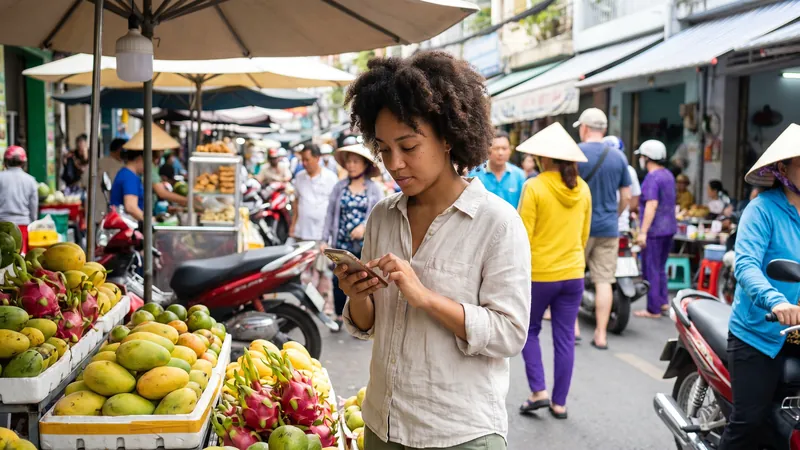
Running research across many countries means adapting to languages, payment methods, devices, holidays, laws and local customs. Here is what changes from place to place.
Points for your profile, cash for every survey, and instant pay when you qualify for a study.
Create my free account