Focus groups
What is a pre-screener? A plain guide to study invitations
Pre-screeners decide who gets invited to focus groups, interviews and product tests. Here is how they work, and how you are rewarded either way.
Trying unreleased products at home is a fun way to share your opinion. But safety always comes first when handling new foods, cosmetics or household cleaners.
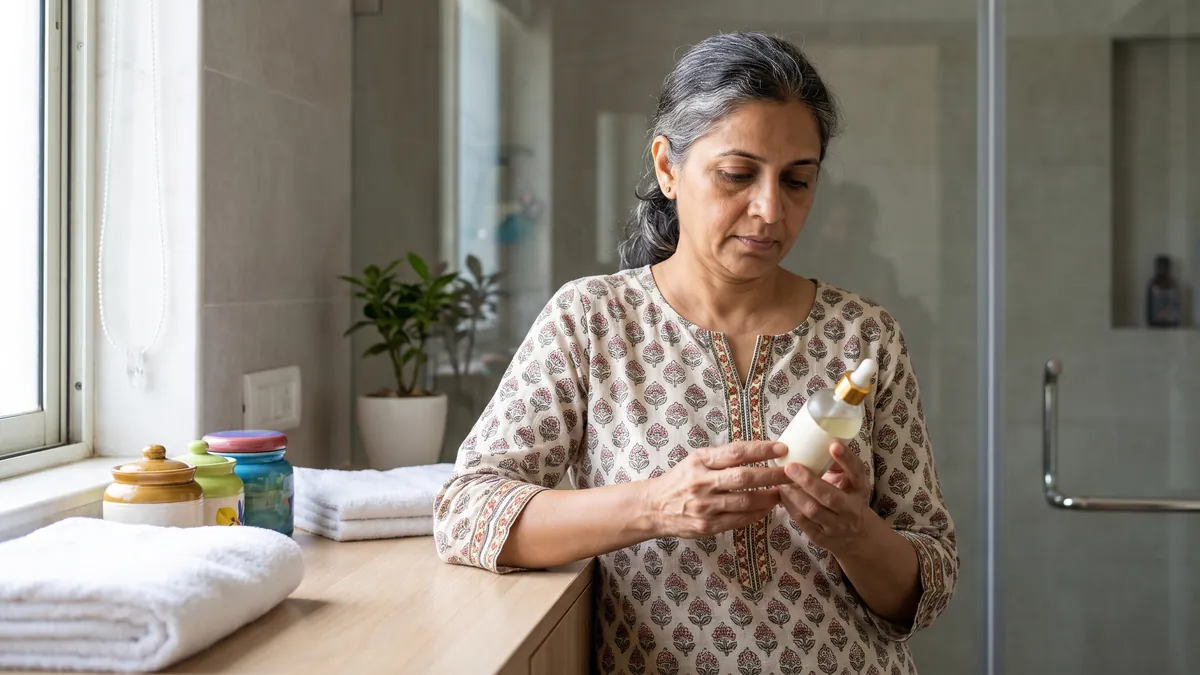
Testing products at home is a popular way to share your feedback. When you agree to an in-home usage test, a research team sends you a physical item in the mail. This might be a new snack, a moisturizer or a new brand of household cleaner. You use the item in your regular routine for a few days or weeks, and then you tell the researchers exactly what you think.
If you want to learn more about how the general process works, you can read our guide to product tests at home. Because these test items are often still in development, they might not have their final retail packaging. They frequently arrive in plain white boxes or blank silver wrappers. This makes it very important to pay close attention to the paperwork included in your package.
The research team relies on you to use the item safely and correctly in your home environment. Your safety always comes before finishing the study or earning your rewards. We will walk through the exact steps you should take every time you receive a new test item in the mail.
Your test product will always come with specific, written instructions. Sometimes these directions are printed on a physical letter placed right in the shipping box. Other times, you will receive an email with a secure link to a digital guide. Read these directions completely from start to finish before you even open the product.
The instructions tell you exactly how the researchers want you to use the item during the test period. You should look for a few specific details in the paperwork:
Following these exact steps ensures your final feedback is accurate and genuinely helpful to the brand. Missing a minor detail like a storage warning can ruin the test entirely or even cause a completely avoidable accident at home. Take your time and read the whole document before you begin.
Food and cosmetic products are legally required to list their ingredients, even during a private consumer test. You will usually find this full list printed on the plain packaging or detailed in the accompanying paperwork. Always read this list carefully to check for anything you know you are allergic to. You should check the list even if you have tested similar products safely in the past.
Research companies do their best to screen out people with known allergies before mailing anything out to panel members. During the initial screening survey, you usually answer multiple questions about your dietary restrictions and known skin sensitivities. However, mistakes can happen in shipping, or a product might contain an unexpected new ingredient. You serve as the final, absolute check to make sure the item is entirely safe for you.
If you see an ingredient that you are allergic to, do not use the product under any circumstances. Contact the research team immediately using the specific email address provided in your instruction letter. Explain the situation clearly and wait for their reply. You will usually be excused from the study without any penalty, and they might ask you to throw the item away.
If you have any medical concerns about an unfamiliar ingredient, you should check with a doctor or a qualified health professional. Research panels cannot give you medical advice under any circumstances. Your personal doctor knows your medical history best and can tell you if an ingredient is safe for your specific condition.
When you test a new skincare product, makeup or body lotion, you should ideally do a patch test first. A patch test is a very simple way to see how your skin reacts to a new chemical formula before you apply it broadly. This is a standard safety step for any unreleased cosmetic, shampoo or cream. It takes a little extra time, but it protects you from widespread irritation.
To do a basic patch test, apply a tiny amount of the product to a very discreet area of your skin. The inside of your forearm or the skin just behind your ear are usually good spots. Leave the area dry and do not wash the product off for a full 24 hours. Check the spot periodically during the day to see how your skin looks and feels.
If the skin becomes uncomfortably red, itchy or swollen at any point, wash the product off immediately with mild soap and warm water. This physical reaction means your skin does not agree with the new formula. Stop the test right away and report the exact reaction to the research team. If your skin looks completely normal and healthy after a full day, you can usually proceed with the main study as directed.
Test products must always be kept well out of the reach of young children and household animals. Unreleased items often arrive in plain white packaging that lacks the usual childproof safety caps or bright red warning labels. A small child might very easily mistake a colorful dishwashing pod for a piece of candy. A dog might chew open a plain cardboard box containing chocolate.
Keep the test items stored securely high up in a locked cabinet or on a top closet shelf. If you are testing a food item that absolutely requires refrigeration, place it in a sturdy container that small children cannot open easily. Remind other adults in your household that the item is specifically for a research study. They should know that the product is not for general, casual use by the whole family.
Keeping the product totally secure also protects the basic integrity of the market research process. If someone else in your house uses up the product, you will not have enough left to complete the required number of daily uses. The researchers need your personal opinion based entirely on your own repeated experience. Storing the product safely ensures you can finish the study properly and answer the final survey.
Sometimes things simply do not go as planned during a home product test. You might experience an unexpected, negative side effect from a new skin cream. A frozen food item might arrive completely thawed and spoiled because of a shipping delay. A household spray bottle might leak its liquid contents all over the inside of the cardboard shipping box.
If anything goes wrong, your absolute first step is to stop using the product immediately. Your health and personal safety are always the highest priority for the research team. Do not try to salvage a heavily damaged item or push through a bad allergic reaction just to finish the test. The research team actually needs to know if their product causes real problems in a normal home environment.
Contact the panel support team or the specific research manager listed in your original study invitation. Tell them exactly what happened, step by step. If a product leaked or broke in transit, send them a clear photo of the obvious damage. Reporting these practical issues helps the brand improve the product packaging or formula long before it goes to retail stores.
Keep the packaging handy. When you contact support about a problem, they might ask for specific batch codes or shipping tracking numbers printed on the plain box. Keep all the original packaging materials until the study is completely finished.
At the very end of the test period, you will receive a final survey asking for your honest opinions. You might be asked to write better open-ended answers explaining exactly what you liked or strongly disliked about the item. Answer every question fully based on the notes you took during the testing period. Once you submit this final survey online, the active part of your product test is officially done.
The study instructions will tell you exactly what to do with the leftover product. For most consumable items like snacks, shampoo or cleaning sprays, you simply throw the rest away or recycle the empty plastic containers. Sometimes, especially for expensive electronics or small kitchen appliances, the research team will send you a prepaid shipping label. You must pack the item back into its original box securely and return it to them.
Testing products at home is an interesting, practical way to shape the items you will eventually see on supermarket shelves. As long as you read the instructions fully, check the ingredients and listen to your body, it is a very safe process. You get to try new things and help brands make better consumer goods. If you are ready to start sharing your opinions, you can create a free account with Reward Hours today.
Do not attempt to use a product that arrives broken, leaking or spoiled. Take a clear photograph of the damaged item and the shipping box. Contact the research team immediately using the email address provided in your instructions so they can log the issue and advise you on the next steps.
You should only share the product if the specific study instructions tell you to do so. In most cases, the researchers want your individual opinion based on your personal use of the item. Letting others use the product might mean you run out before you finish the required testing period.
Compensation rules depend on the specific research study and the company running it. Often, if you report a valid medical or safety reason for stopping, the researchers will still offer a partial reward for your time. Always communicate directly with the panel support team to find out their exact policy for your situation.

Focus groups
Pre-screeners decide who gets invited to focus groups, interviews and product tests. Here is how they work, and how you are rewarded either way.

Focus groups
A focus group is a friendly chat with a few people about a specific topic. Here is a step by step guide to how these sessions run.

Focus groups
You do not need expertise to be a valuable research participant. Here is what really makes a difference, from honest stories to showing up on time.
Points for your profile, cash for every survey, and instant pay when you qualify for a study.
Create my free account