Focus groups
What is a pre-screener? A plain guide to study invitations
Pre-screeners decide who gets invited to focus groups, interviews and product tests. Here is how they work, and how you are rewarded either way.
Packaging design can make or break a product. When you take part in market research about boxes, bottles and labels, your feedback helps companies decide what stands out on a shelf and what is easy to use at home.
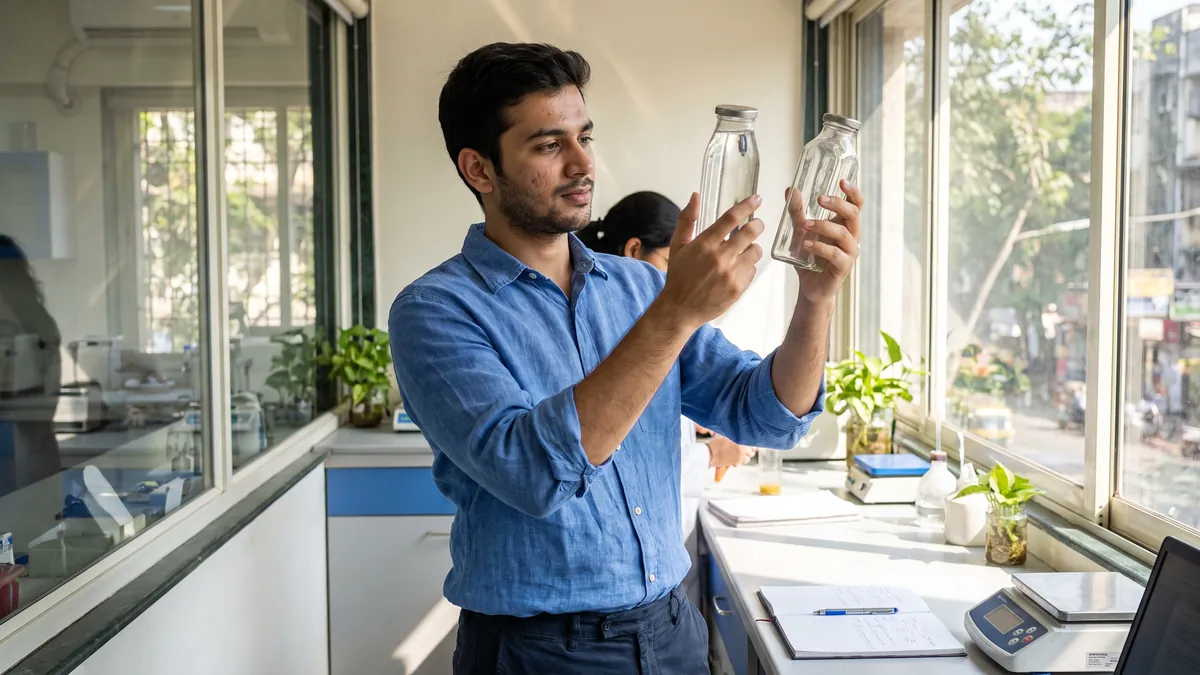
Have you ever bought a shampoo just because you liked the shape of the bottle? Or maybe you put a snack back on the shelf because the wrapper looked cheap. Packaging does a lot of heavy lifting for a product. It has to catch your eye, explain what is inside, and protect the item on its way to your home.
When companies want to change a familiar box or launch a completely new drink can, they do not just guess what people will like. They ask consumers. In market research, packaging tests are a way to see how regular shoppers react to a design before it goes into production.
You might see these tests in online surveys, focus groups, or even product tests at home. A brand will show you a few options and ask for your honest opinion. They want to know if the design makes sense to you, and if it would make you want to buy the product.
One common way to test a design is through a shelf simulation. A shelf simulation is a research method where you look at a digital or physical mockup of a store aisle, complete with competing products lined up next to each other. Researchers use this setup to recreate the experience of shopping in a real supermarket.
In an online survey, you might see a picture of a shelf filled with cereal boxes. The instructions will ask you to click on the box you would naturally buy, or to find a specific brand as fast as you can. This tests a concept called shelf impact, which means how well a product stands out among its rivals.
If a brightly colored label actually blends in with all the other bright labels on the shelf, the company needs to know that. Your clicks help them measure visibility. If it takes you too long to find the brand you are looking for, the designers might need to go back to the drawing board. Understanding how your eyes move across a shelf helps brands choose the most effective design.
Often, a company will have three or four different ideas for a new label. They will ask you to look at each one side by side and rate it. You might be asked if a design looks modern, cheap, healthy, or fun.
When comparing designs, researchers often ask you to rate specific details. These might include:
Sometimes, you will be asked to type out your thoughts in your own words. When this happens, it is helpful to be specific about what you like or dislike. You can learn more about this in our guide on how to write open-ended answers researchers actually use. Pointing out that a specific shade of green looks muddy is much more useful than just saying you think the design is bad.
The materials used to make a package are just as important as the colors printed on it. Many shoppers are thinking about waste, recycling, and the environment. Companies are paying close attention to these changing habits.
In a packaging test, you might be asked to choose between a glass bottle, a plastic pouch, or a cardboard carton. The survey might ask how you would dispose of each item, and whether you check for recycling symbols before you buy. Researchers want to understand if a more environmentally friendly package would make you more likely to choose their brand over a competitor.
They also test the wording around sustainability. If a label says the box is made with plant-based plastics, the researchers want to know if that makes sense to you. If the claim is confusing, they need to fix the wording before the product hits the shelves. Testing these claims ensures that companies are communicating clearly with their customers.
A beautiful box is useless if you cannot get it open. Practical use is a major part of packaging research. Companies want to know how the product will fit into your daily life and whether it is easy to handle.
Testing with prototypes. Sometimes companies send empty boxes or bottles to your home. You will be asked to open them, read the small print, and see if they fit in your bathroom cabinet or refrigerator.
If a detergent bottle is too heavy to pour with one hand, your feedback tells the company they have a design flaw. You might also be asked if a snack bag tears too easily or if a coffee pouch reseals properly to keep the beans fresh.
This practical testing is one reason why research needs disabled voices. People with different levels of vision, grip strength, and dexterity interact with packaging in different ways. If a label lacks contrast and is impossible to read, or if a childproof cap is also impossible for an adult to open, designers need to hear about it from the people who actually experience the problem.
When you take part in a packaging test, you are often looking at products that do not exist in stores yet. Companies spend plenty of time and money developing new brands, and they do not want their competitors to see their ideas early.
Because of this, you will almost always be asked to keep the details a secret. Before the survey or focus group begins, you might have to check a box agreeing to a non-disclosure agreement. A non-disclosure agreement is a legal promise that you will not share, copy, or talk about the images you see.
You might also notice that online surveys disable the right-click function on images, or that physical prototypes have no real brand names on them. These are standard ways researchers protect unreleased designs. You can find out more in our article about recording, consent and NDAs.
Taking part in packaging tests is a great way to influence the items you see in your local stores. Your honest feedback helps brands create boxes, bottles, and wrappers that are easier to read, better for the environment, and simpler to use.
If you want to share your thoughts on new designs and earn rewards for your time, you can create a free account with Reward Hours today. We regularly invite our members to take part in online surveys, digital shelf simulations, and focus groups about product packaging. Surveys are a way to share opinions and earn some rewards, not an income.
Remember to fill out your profile completely when you join. We use those details to match you with studies that fit your shopping habits and household needs. Participating is completely optional, so you can choose the topics that interest you most.
If you are sent a prototype package, it will often arrive empty. If it contains a real product, the instructions will tell you whether you can use it or if you need to return it after the study.
Researchers often blur out the brand name to avoid bias. They want to know what you think of the design itself, without your opinion of the brand getting in the way.
Taking a long time or clicking the wrong item is perfectly fine. Your honest reaction tells the researchers that the design needs to be clearer, which is exactly what they need to know.

Focus groups
Pre-screeners decide who gets invited to focus groups, interviews and product tests. Here is how they work, and how you are rewarded either way.

Focus groups
A focus group is a friendly chat with a few people about a specific topic. Here is a step by step guide to how these sessions run.

Focus groups
You do not need expertise to be a valuable research participant. Here is what really makes a difference, from honest stories to showing up on time.
Points for your profile, cash for every survey, and instant pay when you qualify for a study.
Create my free account