Focus groups
What is a pre-screener? A plain guide to study invitations
Pre-screeners decide who gets invited to focus groups, interviews and product tests. Here is how they work, and how you are rewarded either way.
Companies often need feedback from children to improve toys, games, and snacks. Before a child joins a study, researchers follow strict rules to ensure parents give consent and children feel comfortable participating.
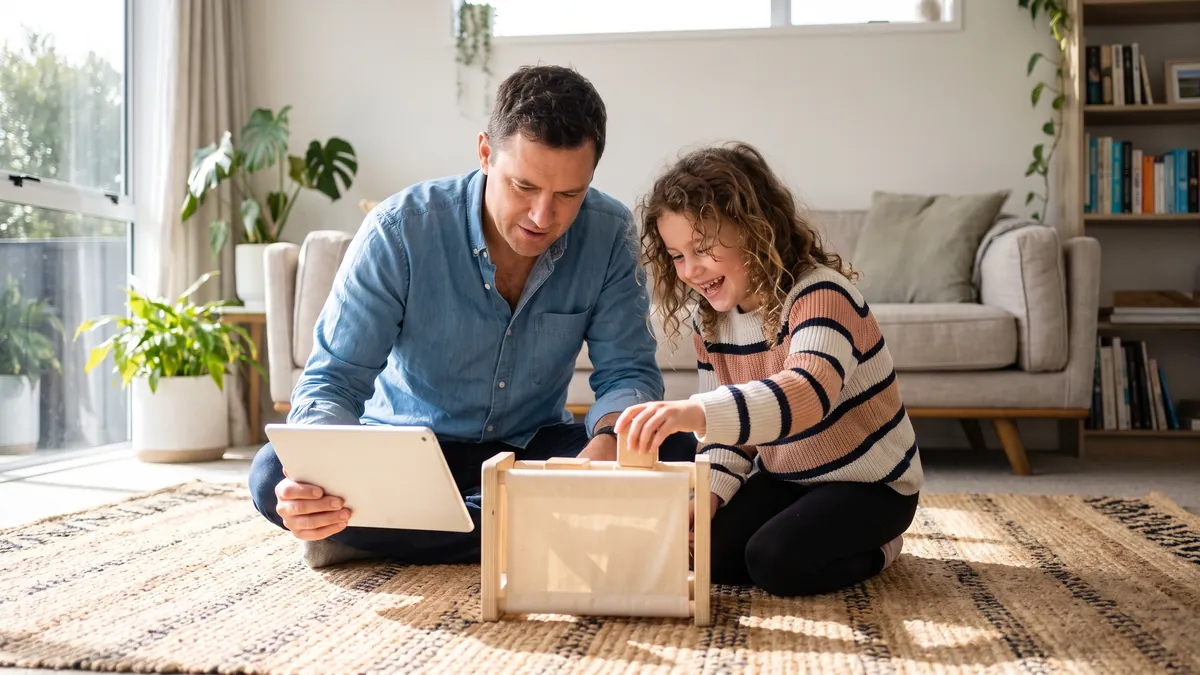
Companies that make toys, snacks, or educational software want to know if young people actually like their products. A new cereal flavor might sound great to a team of adult developers, but children are the ones who ultimately eat it. Market researchers need to ask the younger audience directly to see if a product works well in the real world. We call this process family research. This kind of research can take many forms, including online surveys, video interviews, and testing items in your house.
Adults often misjudge what children find fun or engaging. A learning app might be too hard to use, or a new toy might break easily during normal play. By getting direct feedback from kids, companies can fix these issues before the items hit store shelves. However, when a study involves children, the rules change completely. Researchers take extra steps to make sure families are safe, informed, and comfortable. Ethics codes and strict privacy rules guide every step of the process.
If a researcher wants to talk to a child, they must ask a parent or legal guardian first. You will never see a survey sent directly to a child under the legal age. Instead, we send the invitation to your adult Reward Hours account. We know to send these invitations because you updated your household information in your account settings. You can read more about how profile surveys work to understand why keeping this information current helps.
The first part of any family study is a short screener for the adult. This screener asks if you have children of a certain age and if you are willing to let them participate. You will read a detailed description of the research project before you agree. This document explains the topic, how much time it takes, and what the child will do. We will only ask your child to join if you explicitly agree to these terms. If you decide the topic is not right for your family, you can simply decline the invitation.
Your permission as a parent is only the first step. The second step is asking the child if they actually want to take part. In research, asking for a child to agree is called "assent". Assent means the child understands what the study is about and willingly agrees to do it. Researchers use simple, everyday words to explain the study to your child so they know what to expect.
We might say, "We want to show you a new tablet game and ask what you think about the colors." The child can say no at the beginning, or they can stop at any time during the activity. If they get bored, tired, or do not want to answer a question, they can quit without getting in trouble. We never force a child to finish a survey or interview if they want to stop. Their comfort is always more important than finishing the research task.
The tasks in a family study are always built specifically for the age group involved. A study for teenagers might look very similar to a standard online survey with multiple choice questions. A study for a younger child will look much more like playtime or a casual chat.
Here is what research typically looks like for different age groups:
For live video interviews or focus groups, you usually stay in the room with your child. A researcher will chat with your child over video while you sit just off camera or right next to them. The researcher will introduce themselves and spend a few minutes making your child feel at ease. They might ask about a favorite pet or a recent holiday to break the ice.
Your main job as a parent during the session is to provide comfort and technical support. You help them log in, adjust the camera, and fix any audio issues. However, you should try not to answer the questions for them. Researchers want to hear the honest thoughts of the child, even if their answer is simple or completely different from what you would say. If the study involves recording the session, you will sign a consent form for that beforehand. You can read more about recording, consent and NDAs to understand what these agreements look like.
Keep it natural. There are no wrong answers in market research. Encourage your child to share exactly what they think, even if they dislike the product being tested. Negative feedback is just as helpful to researchers as positive feedback.
Protecting your family privacy is a top priority for professional researchers. Many countries have strict laws about collecting data from children. For example, the United States has the Children's Online Privacy Protection Act, and European countries have specific rules under their data protection laws. These laws require companies to get clear, verifiable permission from a parent before collecting a child name, photo, or personal opinion.
We follow these rules closely when we run any family research at Reward Hours. We use data minimization, which means we only collect the information we absolutely need for the project. We do not ask for a child full name or school name. We do not sell your family data or use it to advertise products directly to your children. The answers are combined with responses from other families to help brands make better decisions. For legal or tax advice regarding your local privacy laws, we suggest checking official government sources or speaking to a qualified adviser.
Taking part in a study can be a fun and unusual activity for a child. To help them prepare, explain the process simply and honestly. Tell them they are going to look at something new and share their opinion with a friendly person. If your child uses a screen reader, captions, or needs other specific accommodations, please let the researcher know. You can often share this information in the initial adult screener to make sure the study setup works perfectly.
When your child finishes a study, the rewards go directly to your adult account. You earn points just like you do for your own regular surveys. You can then use those rewards to treat your family, buy a small gift for your child, or save up for something special. Family research takes a bit more effort to organize, so researchers usually account for both your time and the time your child spends participating. If you want to share your opinions and sometimes involve your family, you can create a free account with Reward Hours today. We will send you an email when a suitable study opens up.
For younger children, you will usually stay in the room to provide technical help and comfort. For teenagers, you might help them log in and then wait nearby so they can speak freely.
No. We never send invitations directly to a child. All study details and links are sent to your adult account, and the rewards are added to your balance when the study is complete.
Your child can stop participating at any time. We never force a child to finish a research task, and their comfort is always more important than completing the survey.

Focus groups
Pre-screeners decide who gets invited to focus groups, interviews and product tests. Here is how they work, and how you are rewarded either way.

Focus groups
A focus group is a friendly chat with a few people about a specific topic. Here is a step by step guide to how these sessions run.

Focus groups
You do not need expertise to be a valuable research participant. Here is what really makes a difference, from honest stories to showing up on time.
Points for your profile, cash for every survey, and instant pay when you qualify for a study.
Create my free account