Focus groups
What is a pre-screener? A plain guide to study invitations
Pre-screeners decide who gets invited to focus groups, interviews and product tests. Here is how they work, and how you are rewarded either way.
Healthcare companies, hospitals and public bodies rely on research with patients, carers and healthcare professionals. These studies can be especially meaningful, and they come with extra rules to protect you. Here is what to expect.
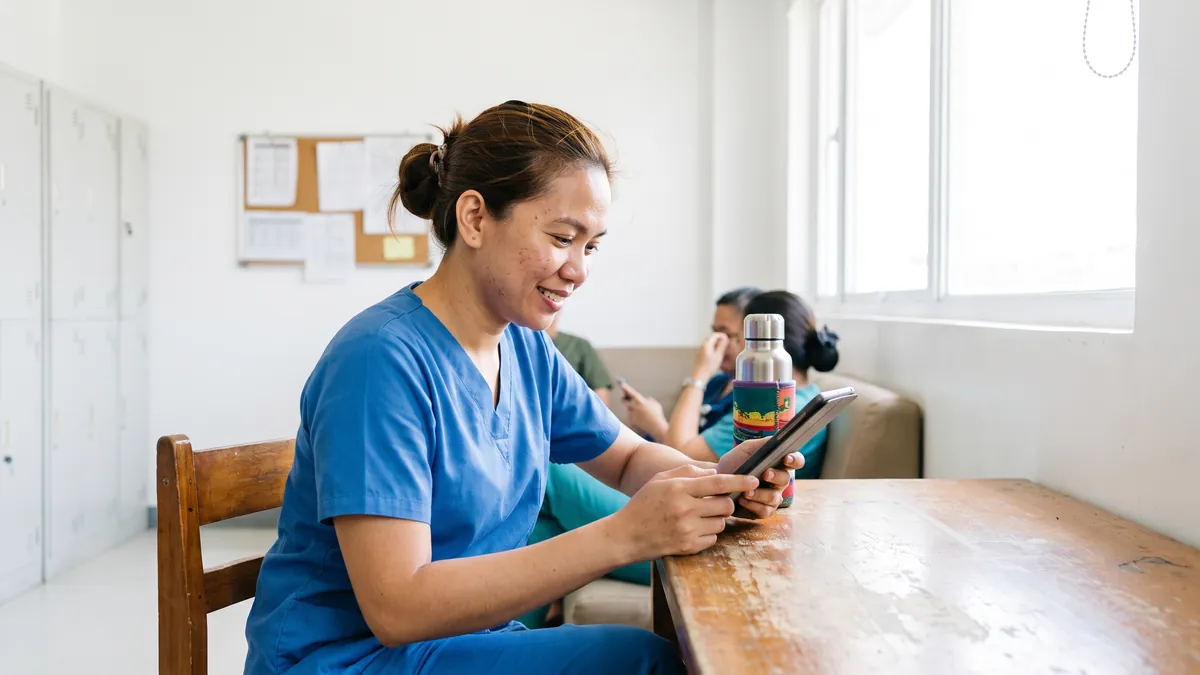
Healthcare market research helps organizations understand the experiences and needs of people involved in care. It might explore:
The organizations behind these studies include pharmaceutical and medical device companies, healthcare providers, insurers, charities and public health bodies.
It is worth being clear: market research is different from a clinical trial. Clinical trials test whether a medicine or treatment is safe and effective, under strict medical supervision. Market research only asks about experiences, opinions and behaviors. You will never be asked to take a medicine or change your treatment as part of a market research study.
People living with a particular condition, such as diabetes, asthma, arthritis or migraine. Studies often need people at a certain stage, using a certain type of treatment or diagnosed within a time frame.
Family members or friends who support someone with a health condition. Their perspective is often overlooked and highly valued.
Doctors, specialists, nurses, pharmacists and other professionals. Professional studies usually involve verification of credentials and offer higher incentives.
Health information is among the most sensitive personal data. Under laws such as the GDPR, it is "special category" data, and under California law it can be "sensitive personal information". In practice, responsible research teams:
You can review or remove health information from your profile at any time. Our guide to GDPR rights explains how to request a copy or deletion.
This is one of the special rules in healthcare research, and it is worth understanding before you take part.
If a study is sponsored by a pharmaceutical company and you mention a side effect, also called an adverse event, linked to one of its medicines, the research team may be required to pass that information to the company's drug safety team. This helps monitor medicine safety for everyone.
You stay in control of your identity. Adverse events can usually be reported anonymously. You may be asked whether you are willing to share your contact details so the safety team can follow up, and you are free to say no.
Researchers explain this at the start of relevant studies. If you are worried about a side effect yourself, always speak to your doctor or pharmacist. A research study cannot give medical advice.
Talking about health can bring up difficult feelings. You can skip questions, take breaks or stop a study at any time. Good researchers check in with participants and adjust their approach. If a topic is upsetting, it is fine to say so.
For professionals, studies may cover prescribing decisions, product feedback, guidelines, workflows or digital tools. Before taking part, check your employer's policies on paid research. Some organizations require approval or limit the payments staff can accept. Never share identifiable patient information in a study.
No. Your participation is confidential and not shared with your doctor or healthcare provider.
Usually not. Some studies ask detailed questions to confirm you fit, but you are not normally asked for medical records. Never send medical documents unless a study clearly explains why and how they are protected.
Carer studies ask about your experience as a carer. If a study needs the patient's own view, they should take part themselves or with your support, with their consent.

Focus groups
Pre-screeners decide who gets invited to focus groups, interviews and product tests. Here is how they work, and how you are rewarded either way.

Focus groups
A focus group is a friendly chat with a few people about a specific topic. Here is a step by step guide to how these sessions run.

Focus groups
You do not need expertise to be a valuable research participant. Here is what really makes a difference, from honest stories to showing up on time.
Points for your profile, cash for every survey, and instant pay when you qualify for a study.
Create my free account