Research insights
From survey to shelf: the life of a new product idea
Every new product on a store shelf started as an idea. Learn how survey takers shape new items from the earliest concept to the final launch.
Companies spend heavily on making and broadcasting commercials. Before they share a new campaign with the world, they want to know if it makes sense to real people. Ad testing is how brands find out if their message hits the mark or needs more work.
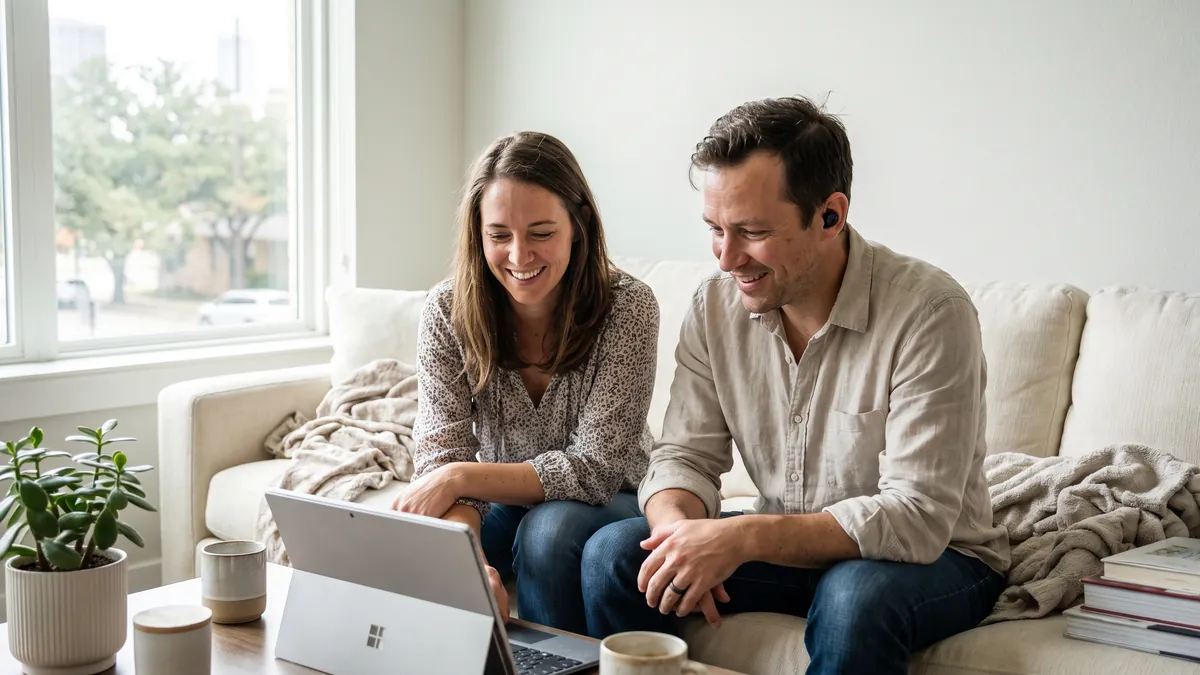
If you take surveys regularly, you have probably clicked into one that asks you to watch a short video. The video might look like a television commercial, a social media clip or a billboard advertisement. When a researcher asks for your opinion on a marketing campaign, they are doing something called ad testing. This is a type of market research used to evaluate an advertisement before it goes public.
Making a commercial is expensive. Buying the airtime on television or the digital space to show it costs even more. If a brand puts out an ad that confuses people, offends them or simply goes ignored, they lose money. Sometimes an ad is so strange that people remember the joke but forget the name of the product entirely. This is a nightmare for a marketing team.
Brands want to avoid these mistakes. They use online survey panels to find ordinary people who can watch the ad and share their thoughts. By showing a commercial to a few hundred or a few thousand people, a company can fix confusing parts or scrap a bad idea entirely.
Not all ads in surveys are finished products. Sometimes, brands want feedback early in the creative process to save money on production. You might be testing an ad meant for television, a short bumper ad for a video site, or a mobile banner.
You might see a storyboard. A storyboard is a series of static drawings that show what the final commercial will look like, scene by scene. It looks a bit like a comic book. There is usually a voice reading the script over the pictures.
Another format you might see is an animatic. An animatic takes those storyboard drawings and adds simple movement. For example, a drawing of a car might slide across the screen to show that it is driving. You might also see early versions of a commercial with temporary music or actors reading lines in a bare studio.
Do not worry if the quality seems rough. The researchers are testing the core idea. They want to know if a commercial about a new laundry detergent makes you want to buy it, even if the video uses stick figures instead of real actors.
When you take an ad testing survey, the first few screens will usually ask you to check your technical setup. You need to be able to see and hear the commercial clearly. The survey might play a test sound, like a bell ringing, and ask you to type what you heard to prove your volume is on.
If you use a screen reader or rely on captions, many modern survey platforms support these tools. However, some early-stage ads might not have captions added yet. If you are deaf or hard of hearing, you might find that some video surveys are difficult to complete without a transcript. We are working across the industry to make these tools better for everyone.
Make sure your internet connection is stable before you start playing a video. If you are on a mobile phone, try to use Wi-Fi instead of your cellular data. Video files can be large, and a slow connection will make the commercial buffer or freeze. If a video keeps stopping to load, it can ruin your experience and make it hard to judge the flow of the commercial.
When the commercial starts playing, you might notice that the button to skip to the next page disappears. It might be grayed out, or a timer might count down from thirty seconds. Researchers call this forced exposure.
Why you cannot skip the video. Researchers use forced exposure to make sure you watch the entire commercial at a normal speed. This proves to the brand that you actually saw the whole message before you answered the questions.
In real life, you can skip an ad on a video website after five seconds, or walk to the kitchen during a television commercial break. In a survey, the brand is paying to know exactly what you think of the whole video. If you could click past it immediately, the research would not be accurate. Just sit back, watch the video through to the end, and the button to continue will appear.
Once the video finishes, the survey will ask for your reaction. The questions usually start broad and then get very specific. You might be asked if you have ever seen the ad before. Since many of these commercials are brand new, the answer is often no.
After the video, you will answer several questions about what you just watched. Researchers typically want to know:
You may also get a text box asking you to explain your feelings in your own words. Learning how to write open-ended answers researchers actually use can make your feedback much more helpful here.
When you view an ad in a survey, you are getting a sneak peek at a company's future marketing plans. Sometimes these ads are for products that do not even exist in stores yet. Because of this, confidentiality is a massive priority for market researchers.
Before the video plays, you will usually see a page asking you to agree to a non-disclosure agreement, or NDA. An NDA is a legal agreement stating that you will not talk about what you see in the survey. You cannot take screenshots, record the video on your phone, or post about the commercial on social media.
If a brand is launching a new smartphone, they do not want their competitors to find out about their advertising strategy early. By agreeing to keep the information private, you help brands feel safe testing their ideas. You can read more about recording, consent and NDAs in research studies to understand how your privacy is protected too.
Ad testing is your chance to tell big brands exactly what you think of their marketing. If you hate a commercial, you can say so. Honest, constructive criticism is exactly what market researchers are looking for. They would much rather find out that an ad is annoying in a survey than find out after spending millions to air it during a major sports game.
The next time you see a commercial on television or before a digital video, you might wonder if other people tested it first. Your feedback directly shapes the media that everyone sees.
If you want to share your opinions on new products and upcoming marketing campaigns, you can create a free account with Reward Hours. You will earn rewards for your time, and your voice will help guide the brands you see every day.
Yes, many ad testing surveys work perfectly on smartphones and tablets. Just make sure your screen is rotated to landscape mode so the video is large enough to see clearly. Using a Wi-Fi connection is also a good idea to save your mobile data.
If a commercial shows a blank screen or a loading circle that never stops, check your internet connection first. You can try refreshing the page, but keep in mind that some surveys might screen you out if you reload. If the problem continues, close the survey and report the technical issue.
Brands often look for a very specific audience for a commercial, such as parents of young children or people who buy a certain brand of coffee. If you do not fit the demographic they need for that specific campaign, the survey will end early. This is completely normal and just means the brand needs a different group for this particular test.

Research insights
Every new product on a store shelf started as an idea. Learn how survey takers shape new items from the earliest concept to the final launch.

Research insights
Have you ever wondered what happens to your feedback after a survey? Find out how brands use your opinions to make real decisions.

Research insights
Running research across many countries means adapting to languages, payment methods, devices, holidays, laws and local customs. Here is what changes from place to place.
Points for your profile, cash for every survey, and instant pay when you qualify for a study.
Create my free account