Earning tips
How to spot a fake survey site in 30 seconds
Discover simple checks you can do right now to tell a real market research panel from a scam. Find out what to look for before you share your personal details.
August brings a wave of back-to-school shopping, and brands need to know what parents plan to buy. If you have children, this is the perfect time to share your opinions on school supplies, technology, and packed lunches.
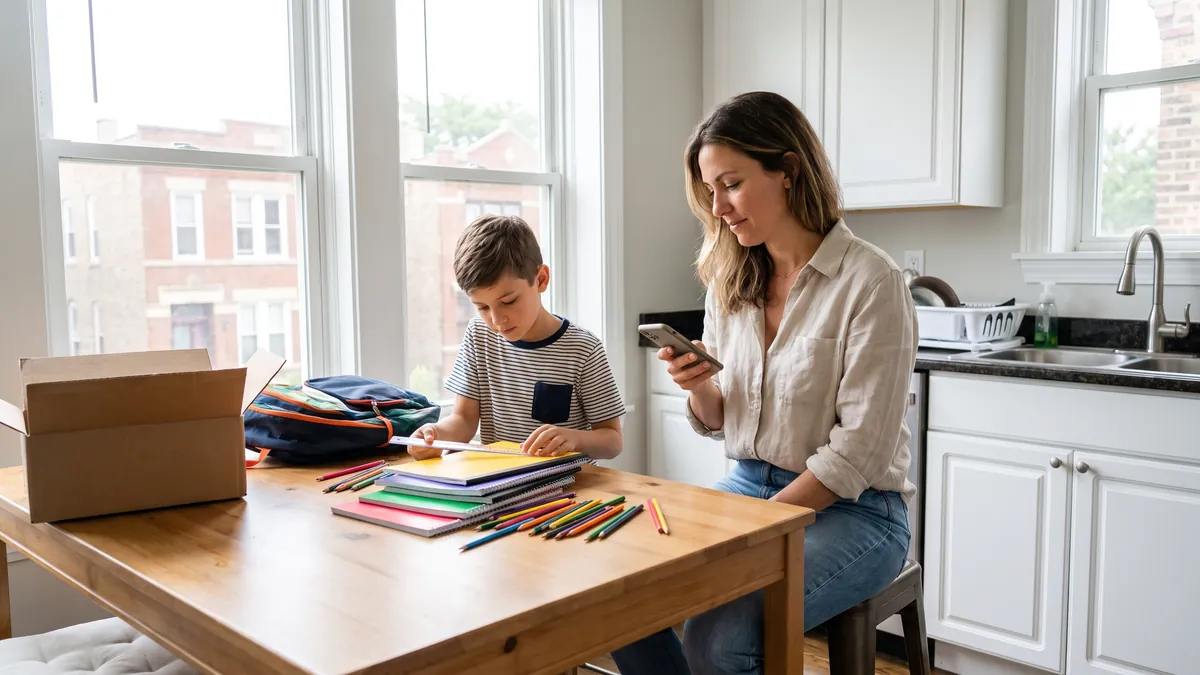
August is a busy month for families preparing for the new school year. Parents buy clothes, shoes, backpacks, and classroom supplies. This burst of spending makes late summer a major event for stores and brands. They want to know exactly what families are looking for before they put items on the shelves.
To find out, these companies run market research studies. Market research is how businesses gather opinions from ordinary people before they launch a product or an advertising campaign. Brands ask questions to understand how you decide between different notebooks or why you prefer one brand of sneakers over another. They use your answers to make their products better.
Because so much shopping happens right now, the volume of back-to-school research peaks in August. Researchers send out thousands of invitations to parents. They want to hear from people who are making the actual buying decisions for their households. If you have school-aged children, you will likely see more survey opportunities on your dashboard during this time.
When you take a back-to-school survey, the questions usually focus on your shopping habits. You might answer questions about where you plan to buy supplies. Some surveys show you pictures of new backpack designs and ask which one you would buy for your child. Brands want to know if you care more about the price, the quality, or the character printed on the front.
You will often see surveys covering a few main categories:
Food is a very common topic for parents. Packing lunches and making after-school snacks takes a lot of planning. Grocery brands want to test new ideas for sandwich meats or snack bars. You might read a description of a new snack and rate how likely you are to put it in your grocery cart.
Surveys are the most common way brands ask for your opinion. Sometimes, researchers need more detailed feedback than a standard survey can provide. They use different methods to talk to parents directly and hear about their daily lives.
One method is an online focus group. In a focus group, a researcher guides a discussion with five to ten parents at the same time. You might join a video call to talk about how you choose healthy snacks for your children. If you get invited to one, you can review our guide to online focus groups: a tech checklist before you join to make sure your camera and microphone are ready.
You might also receive an invitation for an in-home product test. In this type of study, a company mails a physical product to your house. You and your child might try a new brand of markers or a new type of lunchbox for a week. After the testing period, you log back in and answer a few questions about how well the product worked.
Researchers look for specific types of people when they launch a study. If a brand sells a phonics app for kindergarteners, they only want to talk to parents of young children. If they are selling dorm room furniture, they need parents of teenagers who are heading to college.
To match you with the right studies, survey panels use your profile information. Your profile is a set of short questionnaires you fill out when you join. If your profile does not mention that you have children, the system will not send you back-to-school surveys. This mismatch is a common reason why you get screened out of studies.
To fix this, log into your account and check your profile settings. Look for the section about your household. Answer the questions about whether you have children and what their ages are. Keeping these details accurate is helpful, as children grow and their needs change every year. Updating your profile takes only a few minutes and helps the system find the best surveys for you.
Keep your children's ages updated. Make it a habit to check your household profile every summer. A child moving from elementary school to middle school changes the types of surveys you will receive.
When you take surveys about your family, you might wonder how research companies handle your information. Legitimate market research companies follow strict data protection laws. They are interested in broad trends, not in tracking your specific child. If you want to know more about specific laws in your area, it is always a good idea to check official government sources.
Most of the time, researchers only want to hear from you as the parent. They will ask you what your child likes or dislikes. The survey will never ask for your child's full name, their exact school name, or their contact information. Your answers are combined with the answers of hundreds of other parents to create a general report.
In rare cases, a brand might want a child to answer a few questions directly. For example, they might want to know if a teenager likes a new video game concept. When this happens, the survey panel must ask for your explicit written consent first. You always have the right to review the questions and decline the study if you feel uncomfortable.
The weeks before school starts offer a great chance to share your opinions. Brands rely on your feedback to improve the products they sell to families. By taking part in these studies, you help shape the items that end up on store shelves next year. You also earn some rewards for your time and effort.
To catch these opportunities, check your survey dashboard regularly during August. Invitations for back-to-school studies can fill up fast. The sooner you click on an invitation, the better your chances of completing the study.
Make sure to read each question carefully and give honest answers. If a survey asks for a typed response, explain your thoughts clearly and avoid rushing. Brands value parents who take the time to share real details about their daily routines. If you are ready to share your thoughts, you can create a free account with Reward Hours today.
No, you never have to buy anything to take a survey. Brands are asking about your normal shopping plans and opinions.
Yes. If you are responsible for buying school supplies or making household decisions for a child, you can often qualify for these studies. Make sure your profile accurately reflects your shopping responsibilities.
No, market research companies keep your answers confidential. They do not share your personal information or your answers with your child's school.

Earning tips
Discover simple checks you can do right now to tell a real market research panel from a scam. Find out what to look for before you share your personal details.

Earning tips
Updating your survey profile is the best way to get more relevant study invitations. Learn which seven areas researchers check most often when looking for participants.

Earning tips
Learn how parents fit paid surveys, focus groups and product tests into a busy routine. Read our tips on taking part in research without disrupting family time.
Points for your profile, cash for every survey, and instant pay when you qualify for a study.
Create my free account